Yoga has been practiced for thousands of years, and its origins can be traced back to the Vedas (ancient Hindu scriptures). Vedic knowledge was passed down verbally until a sage named Patanjali wrote down the teachings in a book called 'The Yoga Sutras of Patanjali.'
The Yoga Sutras of Patanjali refer to 8 limbs or an eight-fold path of yoga, each of which offers guidance on how to live a meaningful and purposeful life. We can use these guidelines both on and off the yoga mat and carry them into our daily lives. I like to think of it as a guide to help me live a high vibrational life, benefiting my mental, physical and spiritual health.
So let’s get started…
1. Yamas
The Yamas refer to vows, disciplines or practices that are primarily concerned with the world around us and our interaction with it. Think of them as ethical constraints, steps that can help you become a better person! There are five Yamas:
- Ahimsa (non-violence),
- Satya (truthfulness),
- Asteya (non-stealing),
- Brahmacharya (Protecting your energy)
- Aparigraha ( non-attachment)
2. Niyamas
Like the Yamas, Niyamas are a guide but rather than focusing on our interactions with the world, the Niyamas focus on our interactions with ourselves and our inner observances.
There are five Niyamas:
- Saucha (cleanliness),
- Santosha (contentment),
- Tapas (self-discipline or burning desire or conversely, burning of desire),
- Svadhyaya (self-study or self-reflection, and study of spiritual texts), and
- Isvara Pranidhana (surrender)
3. Asana
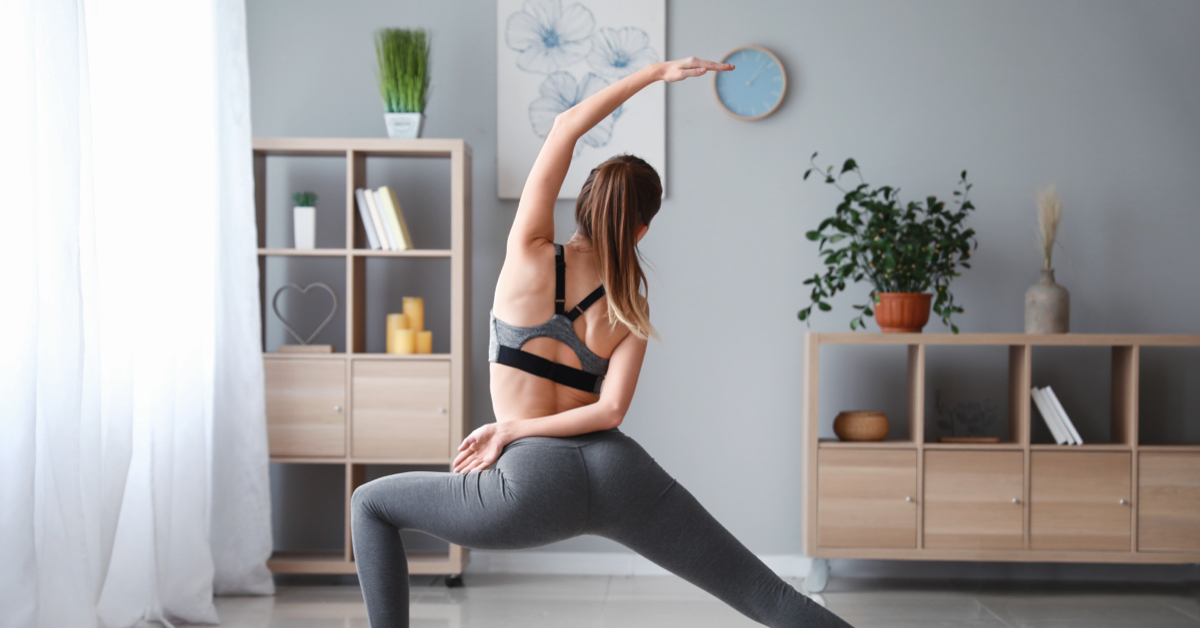
You might be more familiar with this one, it’s our physical practice on that mat. Some people might think that Asana is yoga and it is, but only one part of yoga. Asana in Sanskrit translates to seated posture, and Patanjali defines Asana as a position that is steady and comfortable.
4. Pranayama
This is our life force, our breath. Prana in Sanskrit means breath and Yama means control, this is why we practise our Pranayama, the control of our breath. The practice of working with different breathing techniques can enhance our mind and how we feel.
5. Pratyahara
Pratya means to ‘withdraw’, and ahara refers to anything we ‘take in’ using our senses, touch, taste, smell, sound and sight. Pratyahara is the withdrawal of the senses, we can do this through meditation and when we practise this, we can start to heighten our own inner awareness.
6. Dharana
Dharana refers to holding or maintaining concentration or focus. When we meditate, Pratyahara can work with Dharana, we can withdraw our senses to help us focus. This allows us to move into a deeper meditative state.
7. Dhyana
Our seventh limb is meditative absorption, this is when we become completely absorbed in the focus of our meditation, and this is when we’re really meditating.
8. Samadhi
Our final step of the Patanjali’s Yoga Sutras journey is bliss or enlightenment. After we’ve achieved the other 7 limbs and organised our relationships with our outside and inner world, we can experience bliss.
I invite you to choose one and see if you can implement it into your practice. Perhaps this means choosing the posture your body is able to attain more comfortably and steadily at your next yoga class instead of choosing the advanced posture.